Seeing the Northern Lights is at the top of countless bucket lists, and for good reason. Watching green ribbons of the aurora borealis ripple across a dark Arctic sky is one of the most extraordinary sights in nature. But where should you go to give yourself the best chance?
These are the best places to see the Northern Lights, from Norway and Lapland to Iceland, Canada and Alaska, with tips on when to go and where to stay for the most memorable aurora holiday.
When is the best time to see the Northern Lights?
The aurora is visible in the far north from roughly September to March, when the nights are long and dark. December to February brings the darkest skies, while September, October and March offer milder temperatures. You need three things: darkness, clear skies and solar activity. Plan at least three or four nights to give yourself several chances, and remember that no trip can guarantee a sighting.
1. Tromsø, Norway
Tromsø, high above the Arctic Circle, is one of the most popular places in the world to see the Northern Lights. It is easy to reach, with direct flights from several European cities, and tour operators run nightly "aurora chases", driving inland to find clear skies. Fjords, mountains, whale watching and dog sledding make it a great all-round winter destination.
2. Lofoten Islands, Norway
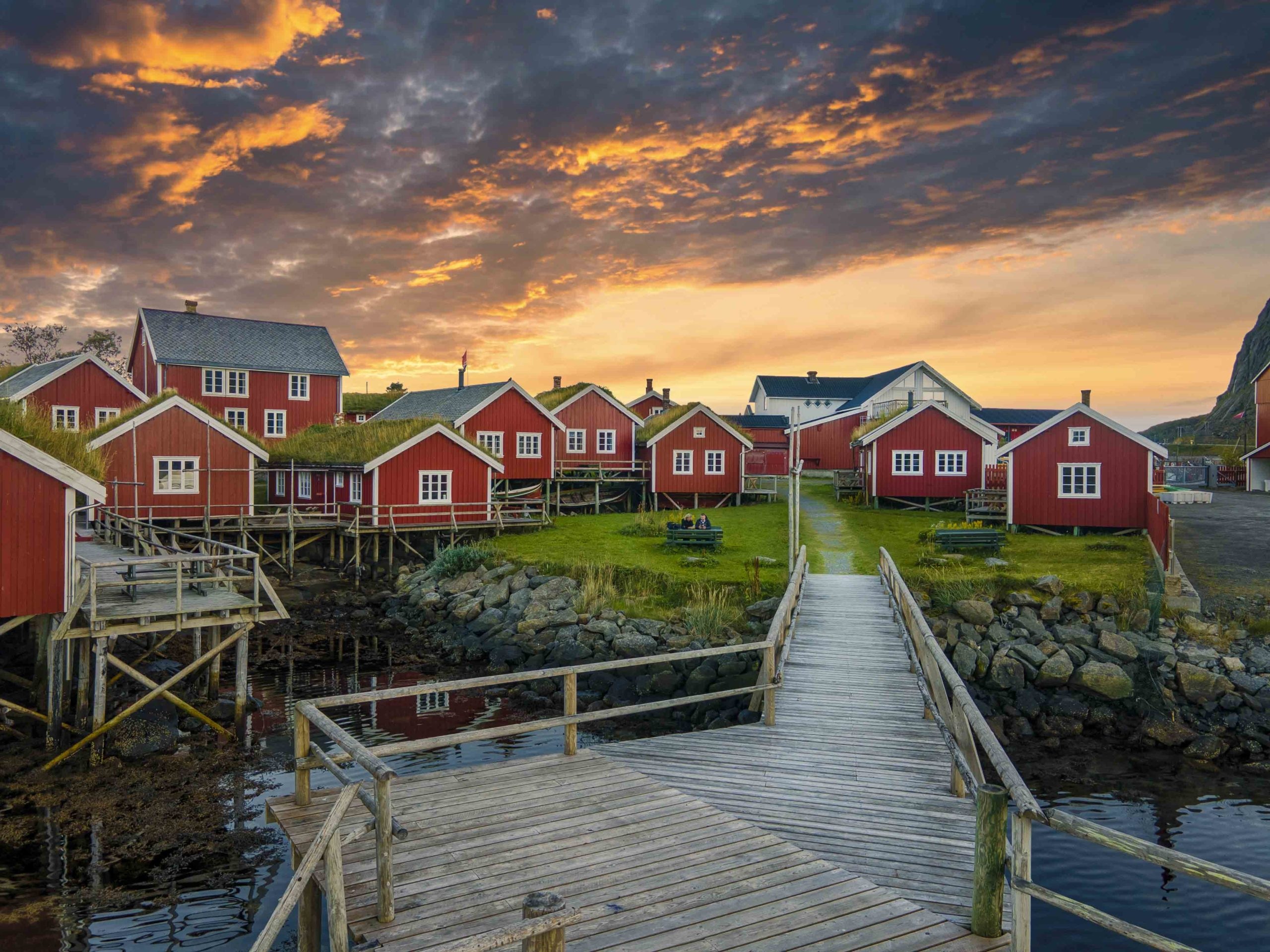
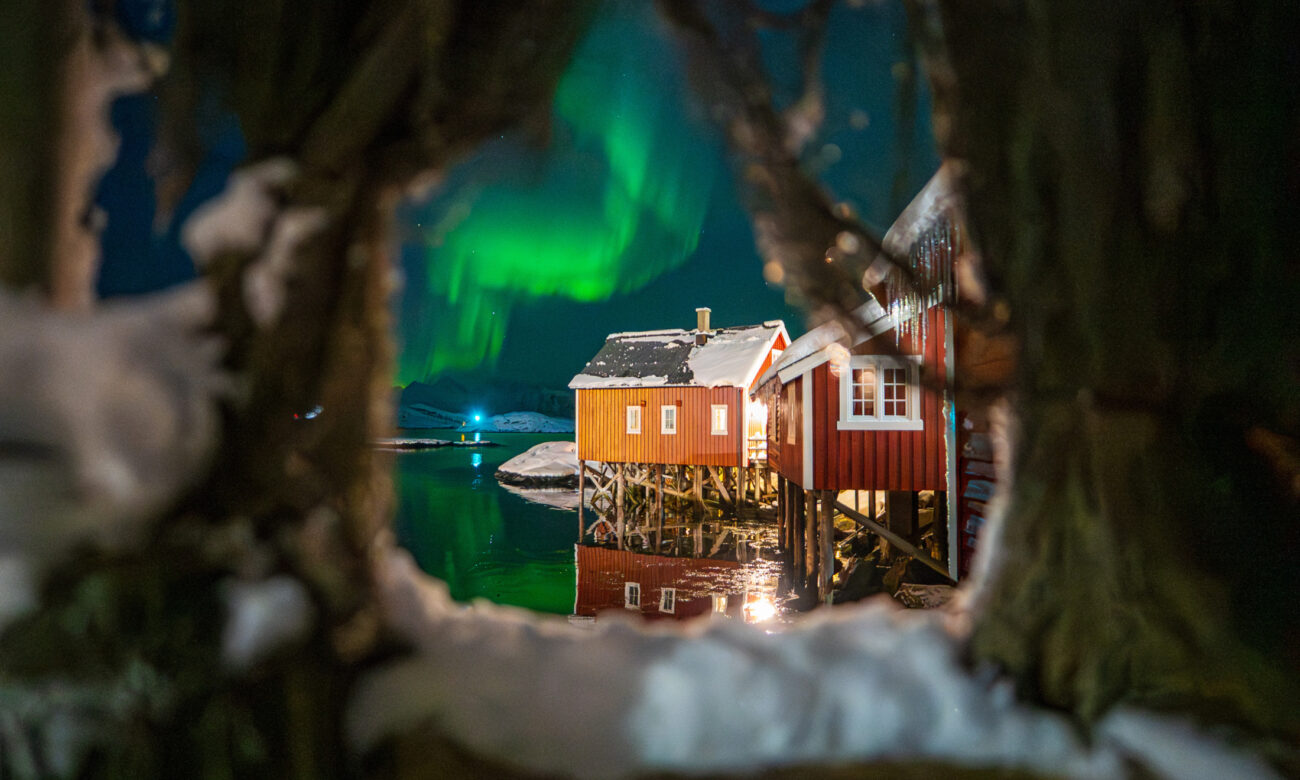
Lofoten combines the Northern Lights with some of the most dramatic scenery in the Arctic: granite peaks rising straight from the sea, white beaches and red fishermen's cabins on stilts. On a clear night, the aurora reflected in the water around the cabins is one of the great photographs of the north.
Where to stay: Reine Rorbuer in Reine, often called Norway's most beautiful village, or Svinøya Rorbuer in Svolvær's harbour.
3. Abisko, Swedish Lapland
Abisko is famous among aurora hunters for its unusually clear skies, created by a "blue hole" in the weather around Lake Torneträsk. The Aurora Sky Station, reached by chairlift, is one of the best-known Northern Lights viewing spots in Europe.
4. Kiruna and Jukkasjärvi, Swedish Lapland
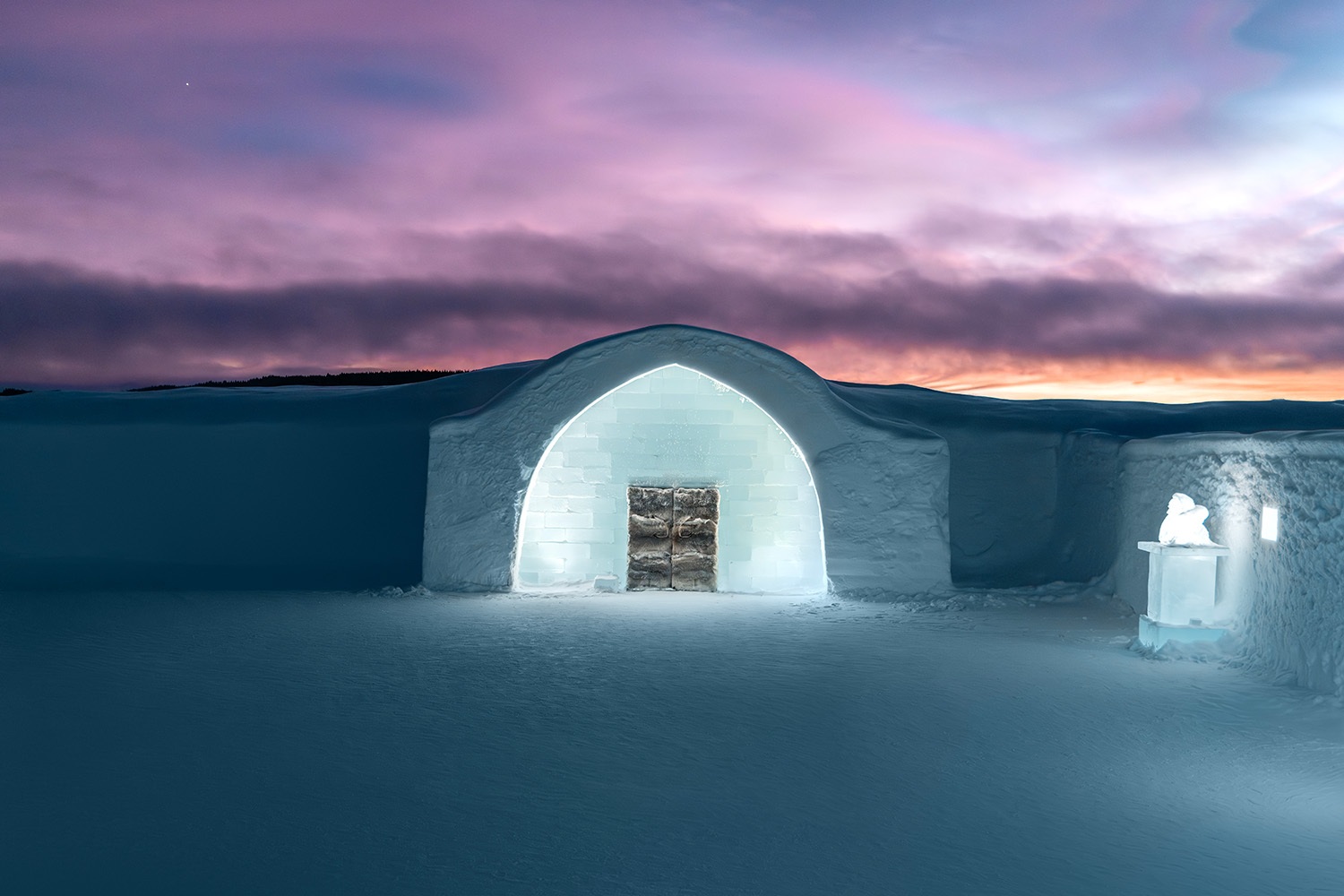
Sweden's northernmost town is the gateway to the original ice hotel, rebuilt every winter from blocks of the frozen Torne River. Step outside onto the river at night, away from the lights, and the aurora often swirls overhead.
Where to stay: Icehotel, for a night sleeping in a frozen work of art.
5. Harads, Swedish Lapland
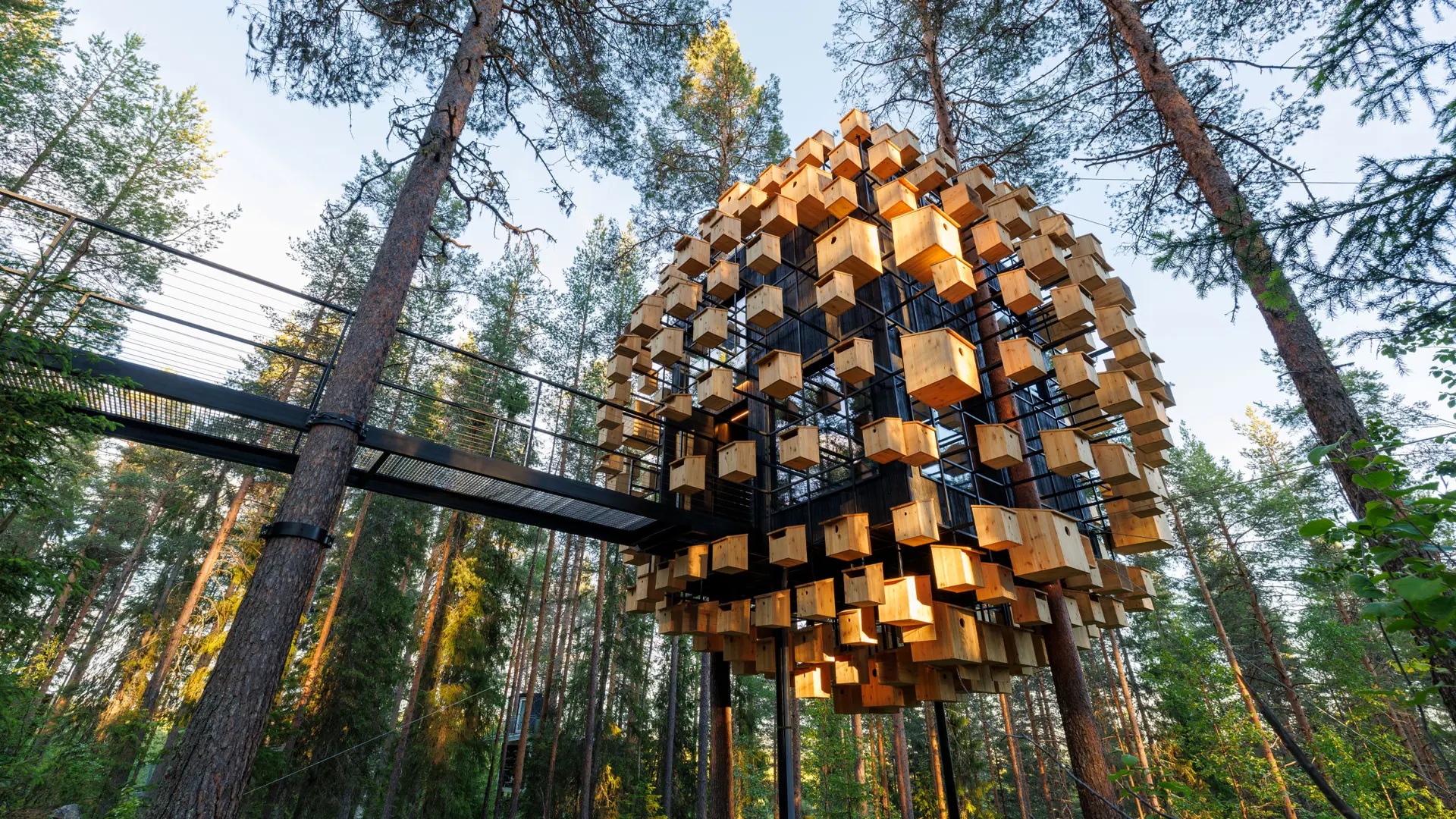
This small village near the Arctic Circle is home to two of the most famous design hotels in the world, both made for watching the Northern Lights.
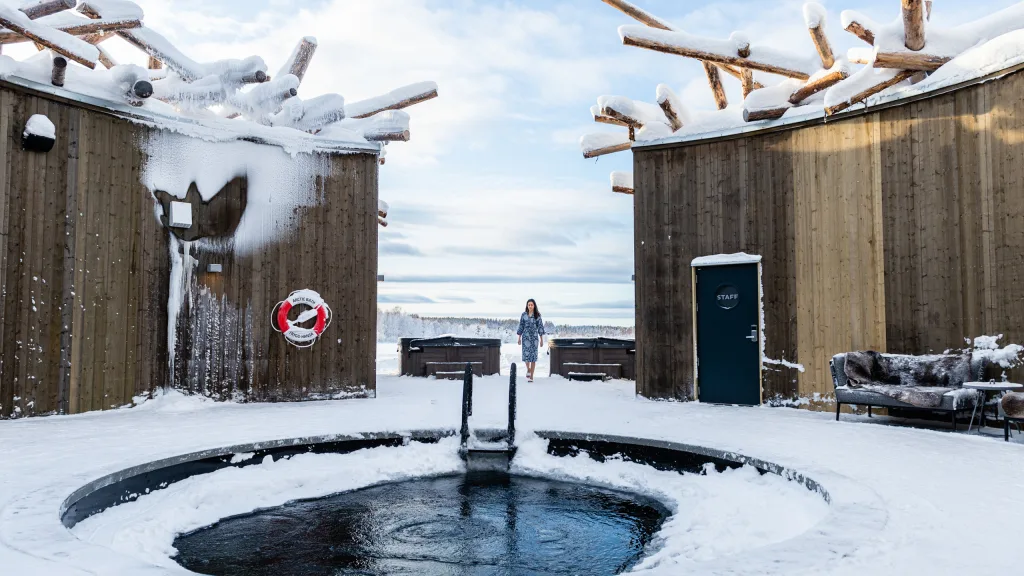
Where to stay: Treehotel, with rooms suspended in the pine forest, or Arctic Bath, a floating spa where you can watch the aurora from bed through angled glass windows.
6. Saariselkä and Inari, Finnish Lapland
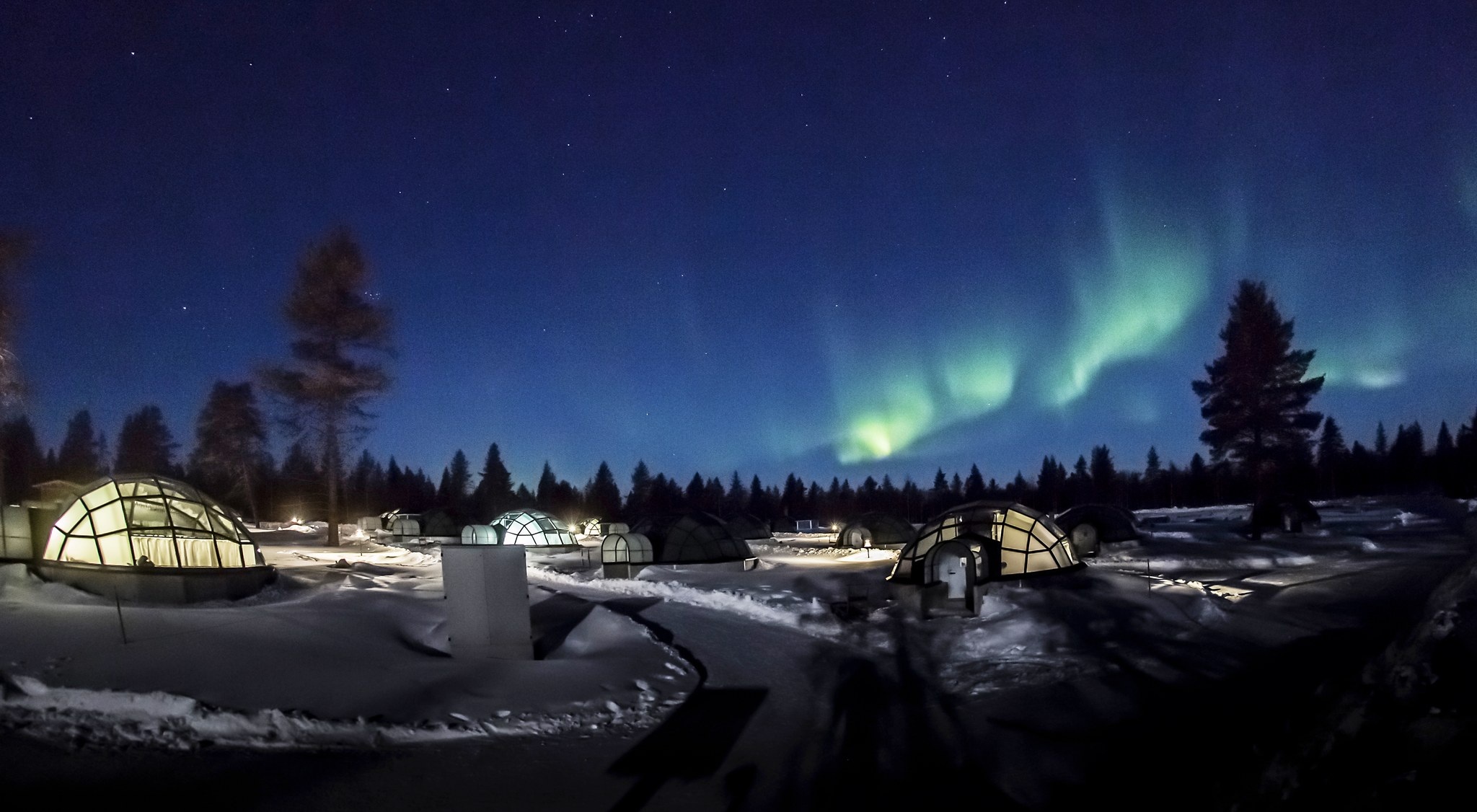
Finnish Lapland is famous for glass igloos, letting you watch the Northern Lights without leaving your warm bed. Saariselkä, well north of the Arctic Circle, has dark skies, snowy forests, husky and reindeer safaris, and a real sense of wilderness.
Where to stay: Kakslauttanen Arctic Resort, the hotel that made the glass igloo famous, with an in-room alert to wake you when the lights appear.
7. Rovaniemi, Finnish Lapland
Rovaniemi, on the Arctic Circle, is famous as the official home town of Santa Claus, which makes it ideal for families. The aurora is regularly seen on clear nights just outside the town.
8. Iceland
Iceland is one of the easiest places in Europe to see the Northern Lights, with short flights from the UK and much of mainland Europe. Head out of Reykjavík into the countryside to find dark skies, and combine aurora hunting with waterfalls, glaciers and hot springs.
9. Yellowknife, Canada
The capital of Canada's Northwest Territories sits beneath the "auroral oval", and is regularly described as one of the best places in the world to see the Northern Lights, thanks to its flat landscape and clear, cold winter skies.
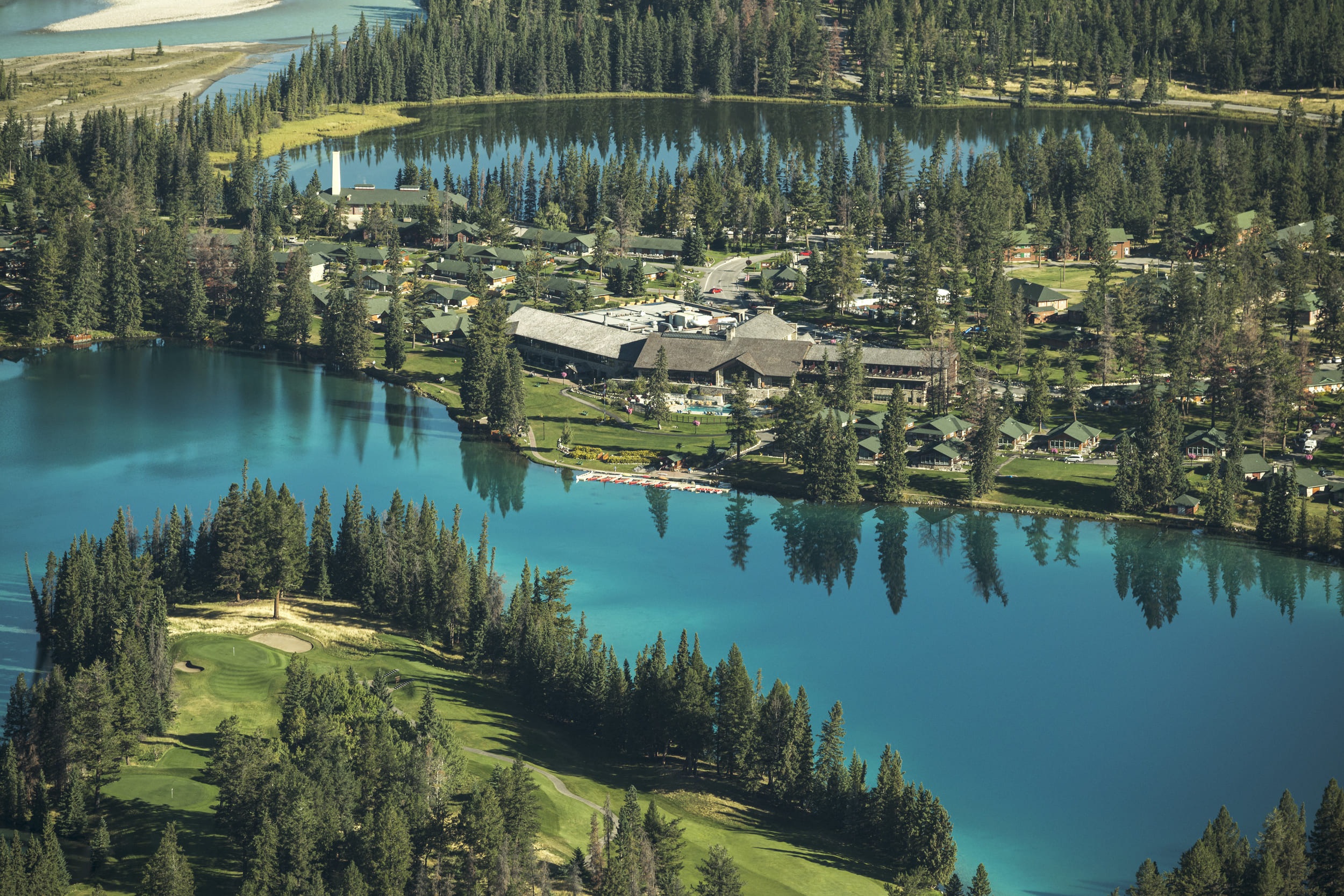
Closer to the Rockies: Fairmont Jasper Park Lodge lies in Jasper National Park, one of the largest dark-sky preserves in the world, where the Northern Lights sometimes appear on clear autumn and winter nights.
10. Fairbanks, Alaska
Fairbanks, in Alaska's interior, lies under the auroral oval too, with long winter nights and frequent displays. Hot springs and wilderness lodges outside the city make for memorable aurora viewing.
Tips for seeing the Northern Lights
- Stay at least three or four nights. Clear skies are the biggest variable.
- Get away from lights. Even a small town reduces what you can see.
- Check the forecast. Aurora and cloud forecasts help you decide when to head out.
- Be patient. Displays often begin as a faint grey-green arc and build over time.
- Dress for the Arctic. Thermal layers, a warm hat and good boots are essential.
- Photograph on a tripod. Phones and cameras capture far more colour than the eye with a long exposure.
Frequently asked questions
Where is the best place in the world to see the Northern Lights?
Northern Norway (Tromsø and Lofoten), Swedish and Finnish Lapland, Iceland, Yellowknife in Canada and Fairbanks in Alaska are among the best. Abisko in Sweden is known for its unusually clear skies.
What month is best for the Northern Lights?
The season runs from about September to March. December to February has the longest, darkest nights, while September, October and March are milder.
Can you see the Northern Lights from a hotel room?
Yes, at hotels with glass roofs or windows, such as the glass igloos at Kakslauttanen in Finland or the floating cabins at Arctic Bath in Sweden. Clear skies and solar activity are still needed.
How many nights do you need to see the Northern Lights?
Plan at least three or four nights in the Arctic. The more nights you have, the better your chances of a clear, dark sky with aurora activity.