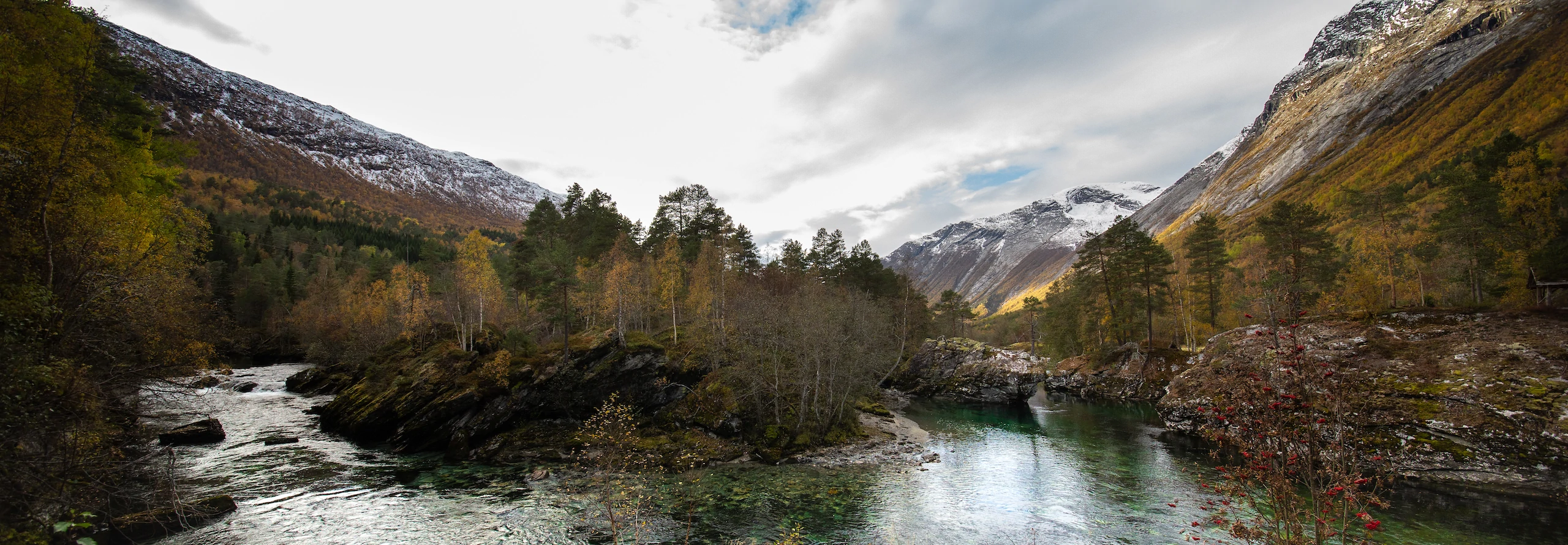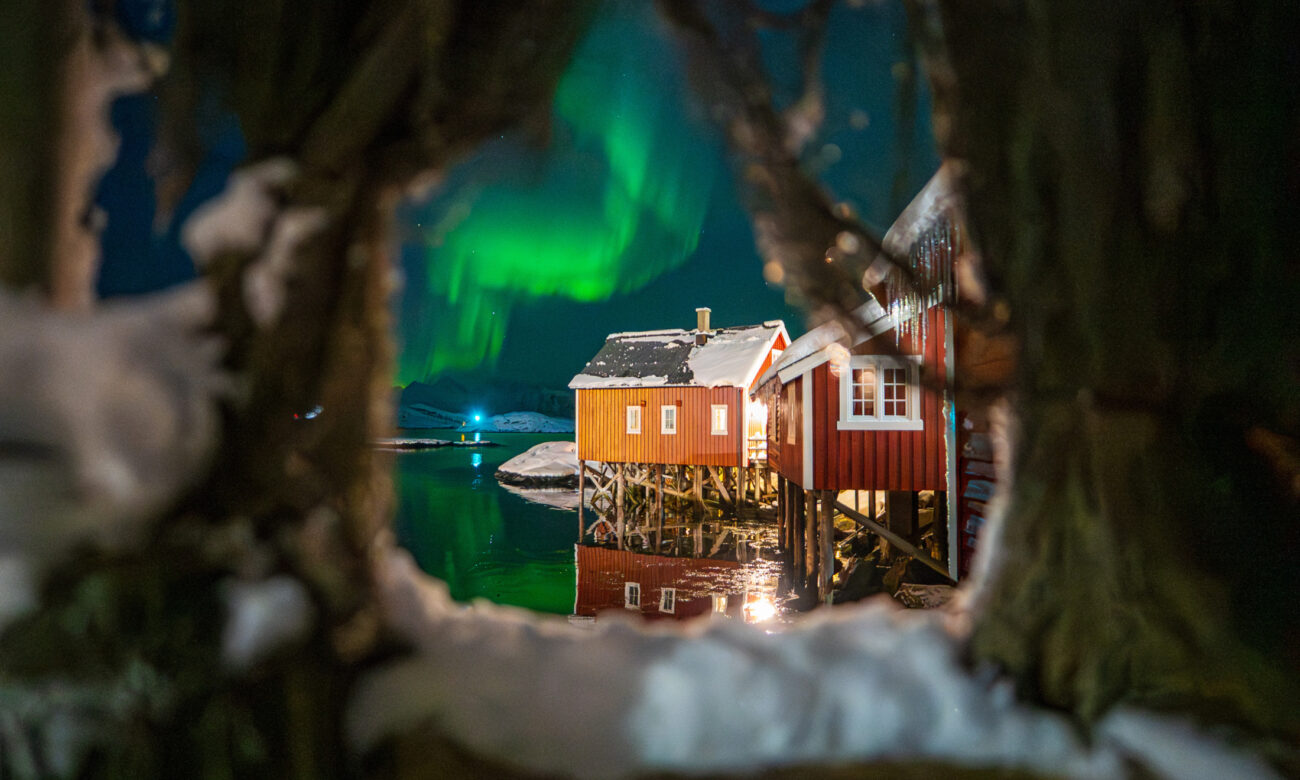
Restored fishermen's cabins on the water, with dramatic peaks rising behind. Good for the Northern Lights and the midnight sun.
Svinøya Rorbuer in Svolvær offers the chance to stay in a traditional Lofoten fishermen's cabin. The Lofoten Islands rise straight out of the Norwegian Sea, a chain of jagged granite peaks and white beaches above the Arctic Circle, dotted with red and ochre cabins on stilts over the water. These rorbuer once housed the thousands of fishermen who came each winter for the great cod fishery, and on the island of Svinøya, in Svolvær's harbour, many of them have been lovingly restored. Staying here puts you in a living piece of Lofoten history, with dramatic mountains rising behind and the sea lapping beneath your floor.
Location: Lofoten, Norway
Svinøya is a small island connected by bridge to Svolvær, the main town of the Lofoten Islands, in Nordland county, well inside the Arctic Circle. It was the first part of Svolvær to be settled, in 1828, when the merchant Gunnar Berg established a trading post here. By 1860, he maintained 81 rorbu cabins housing around 1,200 visiting fishermen.
Svolvær Airport is just 3.5 kilometres away, with flights from Bodø and Oslo, and an airport bus also runs to Evenes Airport on the mainland. Svolvær is a port of call for the Hurtigruten coastal voyage, and there are ferries from Bodø. Svolvær town centre, with its shops, galleries and restaurants, is a five-minute walk across the bridge.
Rooms and suites at Svinøya Rorbuer
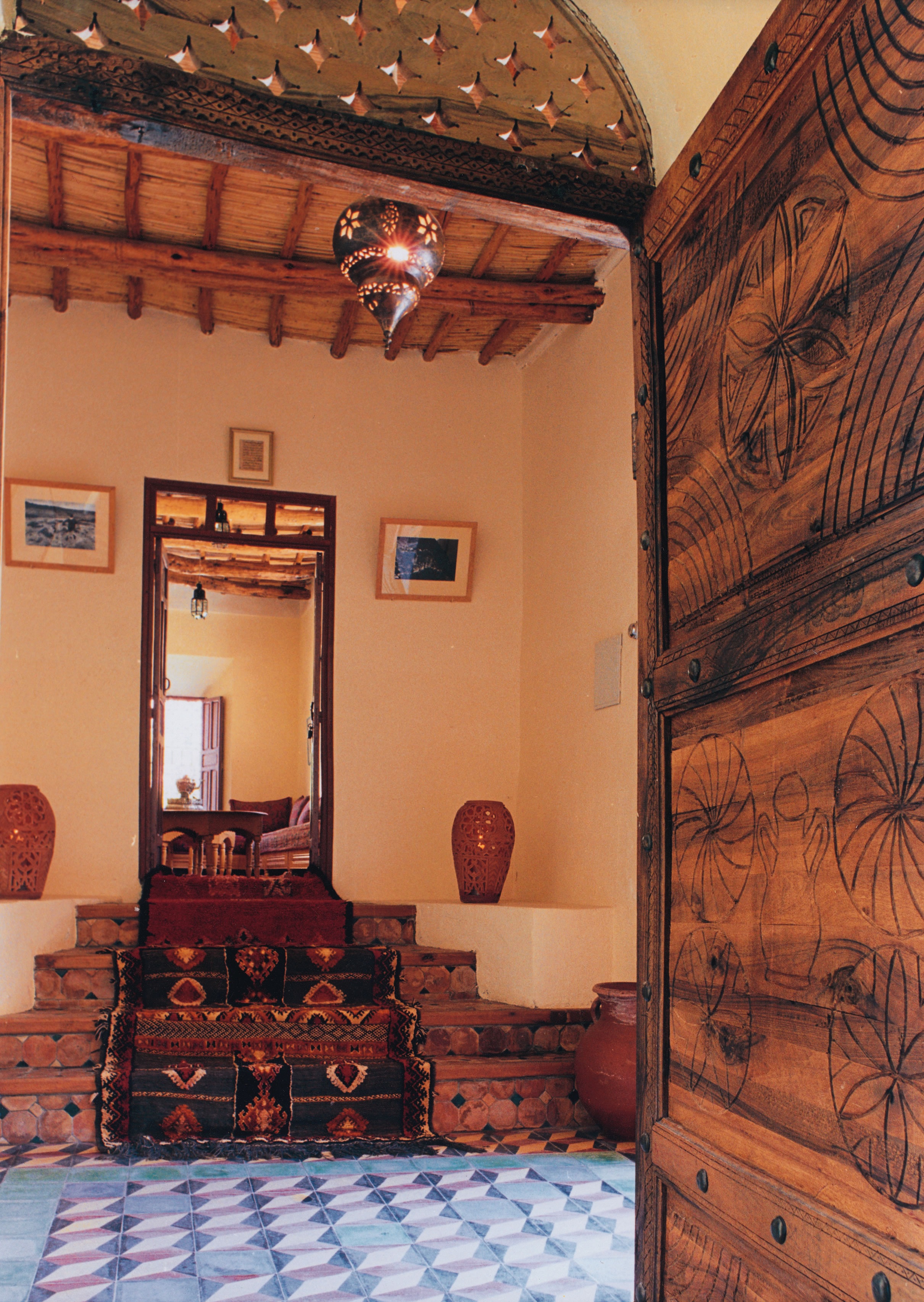
In 1993, John Berg began restoring the derelict cabins, opening with 13 in 1995. Today there are around 50 rorbu cabins, sleeping more than 200 guests in total, ranging from snug one-bedroom cabins for couples to Rorbusuites that sleep up to eight. Many are original cabins from Gunnar Berg's era, carefully restored with their old timber and traditional craftsmanship, while others are newer builds in the same style. Many stand directly over the water.
All have modern comforts, including kitchens for self-catering, and many have balconies or terraces with views of the harbour and the mountains. For something grander, the historic Manor House, Væreiergården, built in 1828, offers around a dozen elegant rooms.
Facilities at Svinøya Rorbuer
Børsen Spiseri, the on-site restaurant, is one of the most celebrated in Lofoten. It occupies the old trading wharf from 1828, with original features and harbour views, and serves local ingredients, which it calls "untravelled food". The speciality is stockfish, the wind-dried cod that has been Lofoten's great export for a thousand years, prepared in many different ways. Breakfast is also served here.
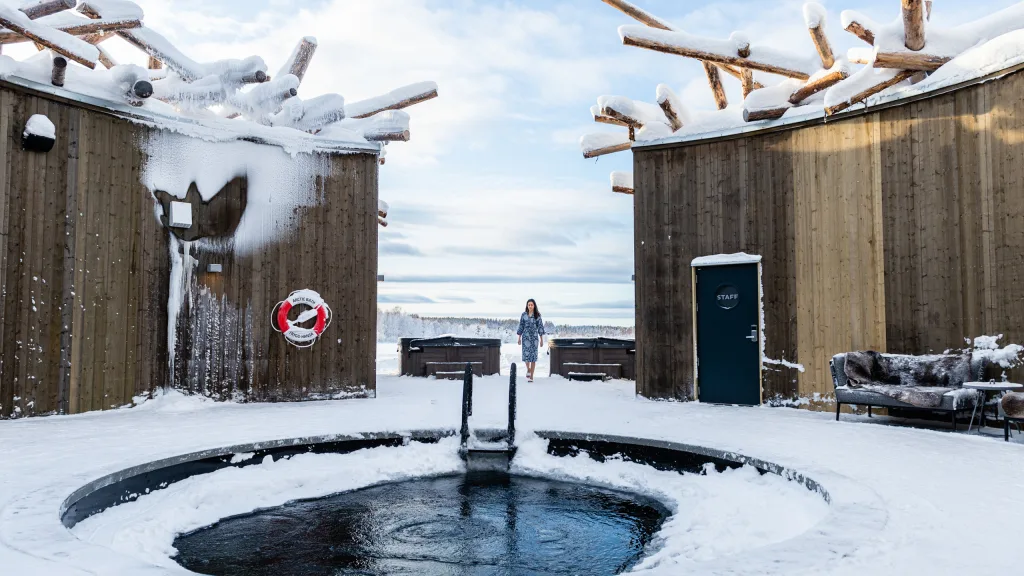
The reception is in Krambua, Svolvær's first shop, dating from 1828 and preserved as a small museum. There is a floating sauna in the harbour, and the island is still a working fishing village, with a fish landing station and racks of cod drying in the wind in late winter and spring. Svinøya Rorbuer has been awarded the Norwegian heritage quality mark Olavsrosa for its work preserving Lofoten's coastal culture.
The hotel works with local operators to offer activities such as sea eagle safaris by RIB into the narrow Trollfjord, fishing trips, kayaking, hiking, cycling and Northern Lights tours.
The mountain moment
In summer, the defining experience is the midnight sun, which in Lofoten never sets from late May to mid-July. Sitting on the deck of a rorbu at midnight, with the sun still shining over the harbour and the peaks glowing gold, is unforgettable. From autumn to spring, the counterpoint is the Northern Lights, dancing in green ribbons over the mountains and reflected in the water around the cabins.
For climbers, Svolvær's iconic peak, the Svolværgeita, or "Svolvær Goat", has two horns at the top, and brave climbers jump between them. Hikers can take in the view of it from the Fløya trail above town.
Why Svinøya Rorbuer is one of the best mountain hotels
Svinøya Rorbuer earns its place in our Affordable stays collection because it offers an authentic, characterful base in one of the most spectacular mountain-and-sea landscapes on Earth, at a reasonable price. Its restored fishermen's cabins, historic setting and excellent restaurant capture the soul of Lofoten.
It is not a luxury hotel, and the cabins are self-contained rather than full-service. But for families, couples and adventurous travellers wanting to experience the Arctic in summer or winter, it is a wonderful choice.
When to go to Svinøya Rorbuer
Lofoten is a year-round destination with two very different faces. Summer brings the midnight sun, from late May to mid-July, with endless light for hiking, kayaking and sea eagle safaris; it is the busiest season, so book early. From autumn to spring, the Northern Lights are the draw, with dark skies from around September to March. Late winter and early spring are the season of the great cod fishery, when racks of stockfish dry in the wind and the harbour is busy with boats. Daylight is very short in midwinter, so build your plans around the few hours of soft light.
Questions, answered
- Can you see the Northern Lights from Svinøya Rorbuer?
- Yes. From autumn to spring, the aurora can appear over the mountains and reflect in the water around the cabins.
- How do you get to Svinøya Rorbuer?
- Svolvær Airport is just 3.5 kilometres away, with flights from Bodø and Oslo. Svolvær is also a Hurtigruten port, and there are ferries from Bodø.
- Are the rorbu cabins self-catering?
- Yes. The cabins have kitchens for self-catering, and breakfast and dinner are available at Børsen Spiseri on site.