Reine Rorbuer offers the chance to stay in a traditional red fishermen's cabin in Reine, the village often described as the most beautiful in Norway, and one of the most photographed places in the Arctic. Its rorbuer, cabins on stilts over the water, sit beneath dramatic granite peaks that rise straight from the sea, creating a scene that has graced countless postcards, magazines and travel posters.
Reine Rorbuer offers the chance to stay in a traditional red fishermen's cabin in Reine, the village often described as the most beautiful in Norway, and one of the most photographed places in the Arctic. Its rorbuer, cabins on stilts over the water, sit beneath dramatic granite peaks that rise straight from the sea, creating a scene that has graced countless postcards, magazines and travel posters.
Location: Reine, Lofoten, Norway
Reine lies on the island of Moskenesøy, towards the southern tip of the Lofoten archipelago in Nordland, well inside the Arctic Circle. The village is spread across small islands linked by bridges, surrounded by fjords and jagged mountains. The nearest airport is at Leknes, about an hour and a half away by road, and car ferries connect nearby Moskenes with Bodø on the mainland.
The E10 road, which runs the length of Lofoten, passes through Reine on its way to the tiny village of Å at the end of the islands, and the surrounding area is full of white-sand beaches, fishing villages and hiking trails.
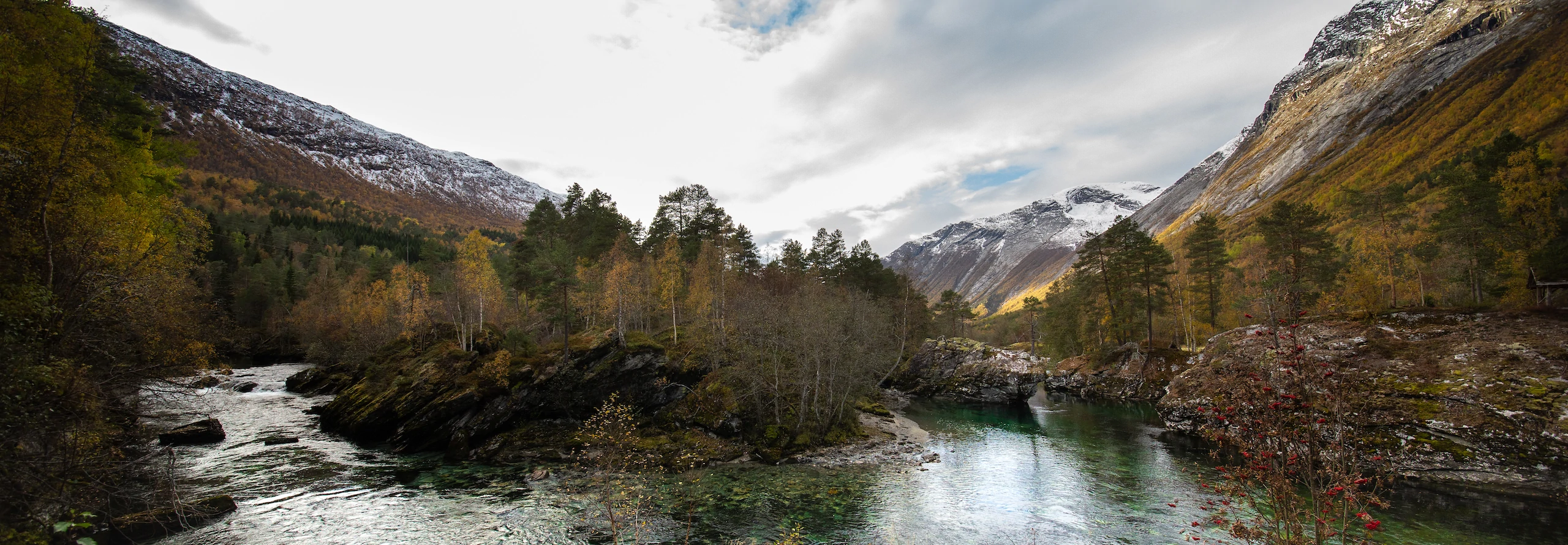
Lofoten's landscape is unlike anywhere else: sharp granite peaks, carved by glaciers, rise straight out of the sea, with deep fjords, sheltered harbours and white-sand beaches between them. The Gulf Stream keeps the climate surprisingly mild for this latitude, and the waters around the islands are among the richest fishing grounds in the world.
Rooms and suites at Reine Rorbuer
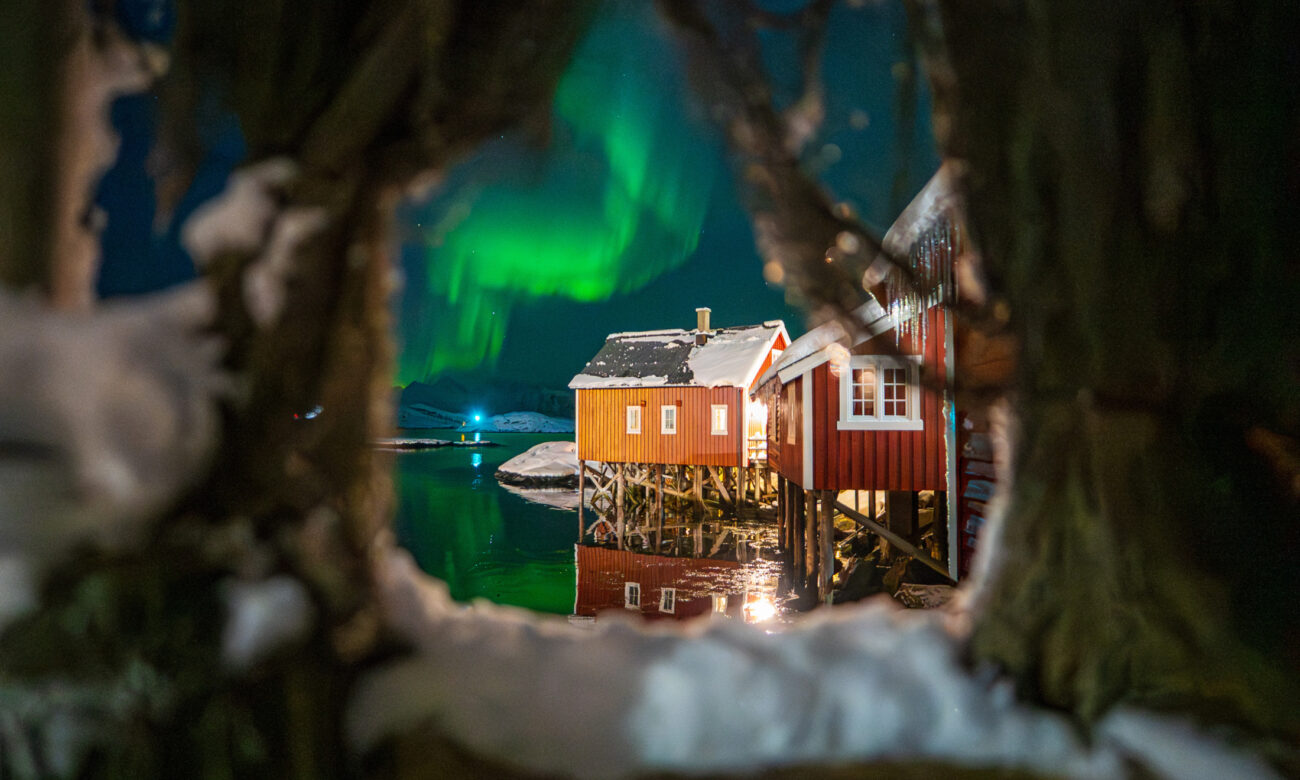
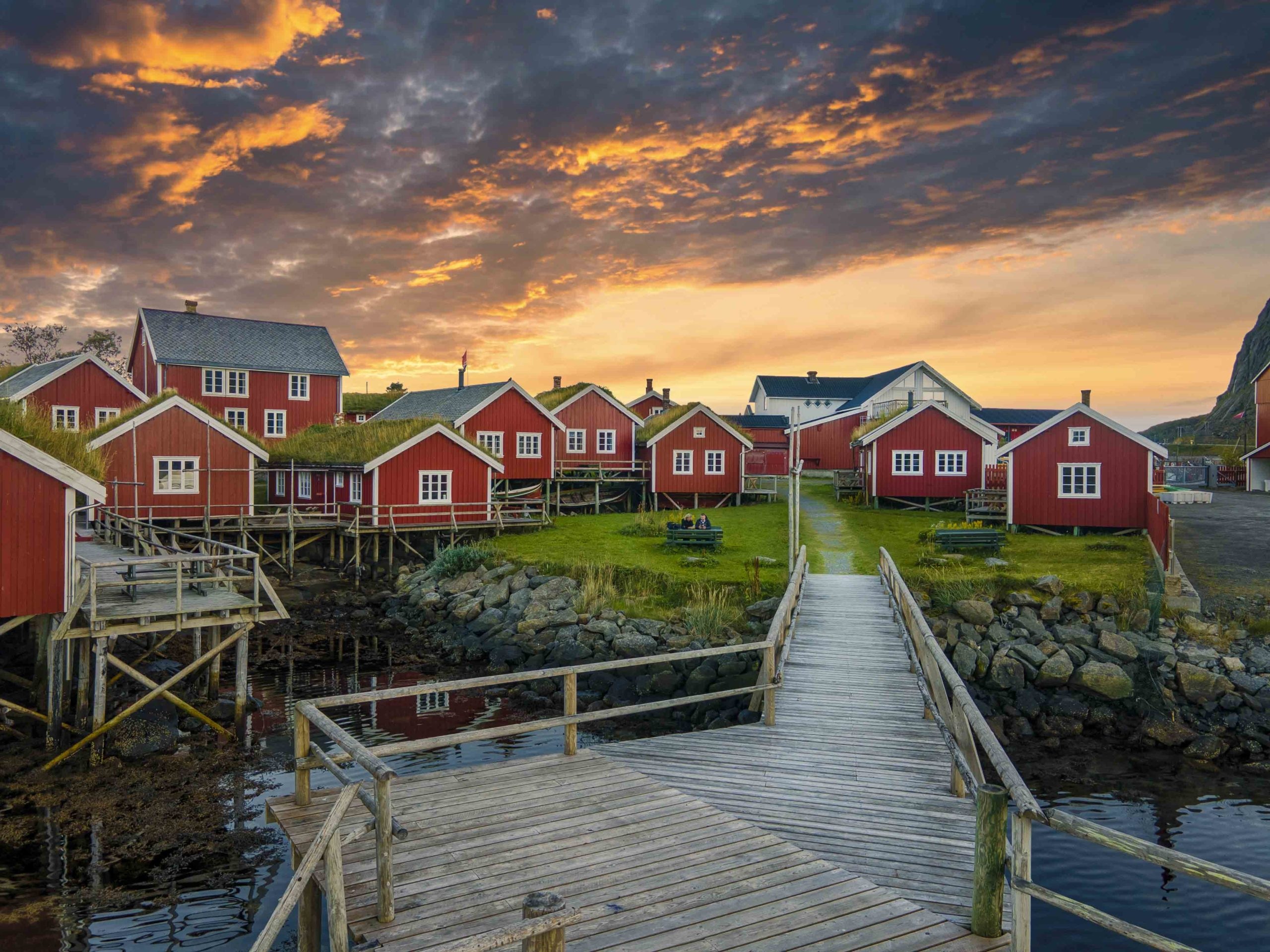
The cabins are traditional rorbuer, many of them historic, painted the classic Lofoten red and standing on the water's edge or on stilts above it. Interiors combine rustic timber and simple, cosy furnishings with modern comforts, including kitchens for self-catering, and many have terraces or windows facing the harbour and the peaks.
Cabins range from smaller units for couples to larger ones for families and groups. Prices vary by season and size, and the most affordable options sit within a modest budget outside the summer peak; check rates when booking.
Staying in a rorbu is a link to Lofoten's history: these cabins once housed the thousands of fishermen who came to the islands each winter for the great cod fishery, sleeping, cooking and mending their nets in the small wooden buildings by the water.
Facilities at Reine Rorbuer
Facilities are simple, as befits a fishing village: self-catering kitchens in the cabins, a reception, and a restaurant in the village serving local seafood, including the stockfish and cod for which Lofoten has been famous for a thousand years. Reine has a small shop and cafés, and the fishing industry still shapes daily life in the village.
Local operators offer boat trips into the fjords, sea eagle safaris, fishing trips, kayaking and guided hikes, and in winter, Northern Lights tours.
The mountain moment
The defining moment is the view from Reinebringen, the steep mountain above the village. A stone staircase, built by Nepalese Sherpas, climbs the slope to a viewpoint from which the whole scene unfolds: Reine's red cabins on their islands, the fjords, the beaches and the jagged peaks of Moskenesøy stretching away into the sea. It is a demanding climb, but the view is one of the finest in Scandinavia.
From the cabins themselves, the midnight sun in summer and the Northern Lights in winter, dancing over the peaks and reflected in the water, are unforgettable.
Why Reine Rorbuer is one of the best mountain hotels
Reine Rorbuer earns its place in our Affordable stays collection because it offers a stay in one of the world's most beautiful mountain-and-sea landscapes, in authentic, characterful cabins, at a reasonable price for Norway, especially outside peak summer. It is simple, self-catering accommodation rather than a hotel. But for photographers, hikers and anyone who dreams of Lofoten, there is no more iconic place to stay.
It pairs naturally with Svinøya Rorbuer in Svolvær, also in our collection, at the other end of Lofoten, for a journey through the islands.
When to go to Reine Rorbuer
Lofoten is a year-round destination. Summer brings the midnight sun, from late May to mid-July, with endless light for hiking and kayaking; it is the busiest and most expensive time. From September to March, the Northern Lights are the draw, with dark skies over the peaks. Late winter brings the great cod fishery and drying racks of stockfish, and spring offers bright, snowy days. Midwinter has very short days, so plan around the soft light.
Questions, answered
- How do you get to Reine?
- Fly to Leknes, about an hour and a half away by road, or take the car ferry from Bodø to Moskenes, a short drive from Reine.
- Can you see the Northern Lights in Reine?
- Yes. From around September to March, the aurora can appear over the peaks on clear, dark nights.
- Are the rorbu cabins self-catering?
- Yes. The cabins have kitchens for self-catering, and there are restaurants and a shop in the village.